Technical resources for architects & engineers.
Specifications, thermal performance, load capacity and standards conformance for TKG EPS insulation. Everything you need to specify with confidence, in one place. EPS (Expanded Polystyrene) is commonly known and referred to as "Thermopor" in Pakistan. TKG has manufactured EPS insulation since 1989, today at two plants in Karachi and Lahore.

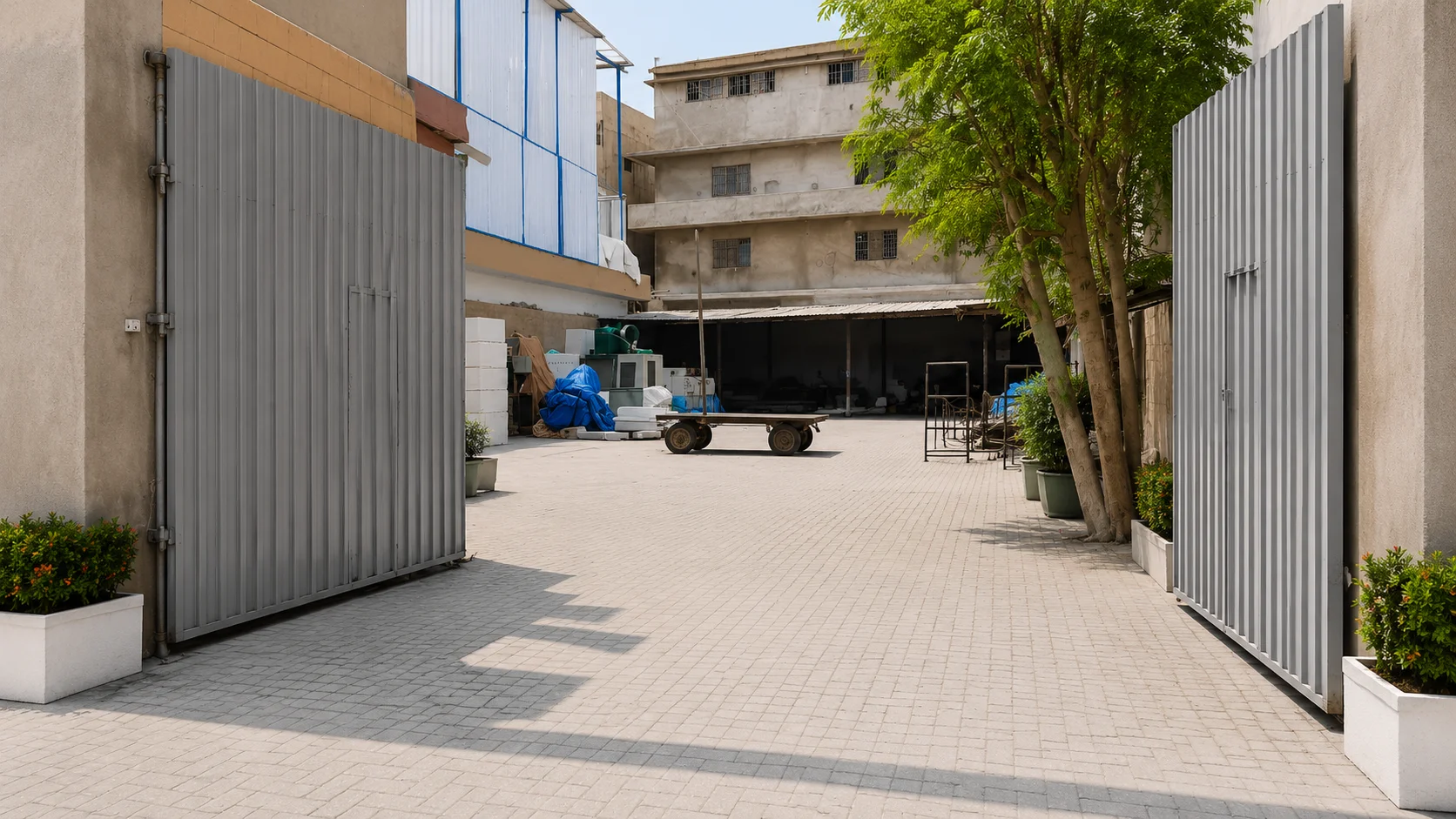
An established manufacturer, two plants
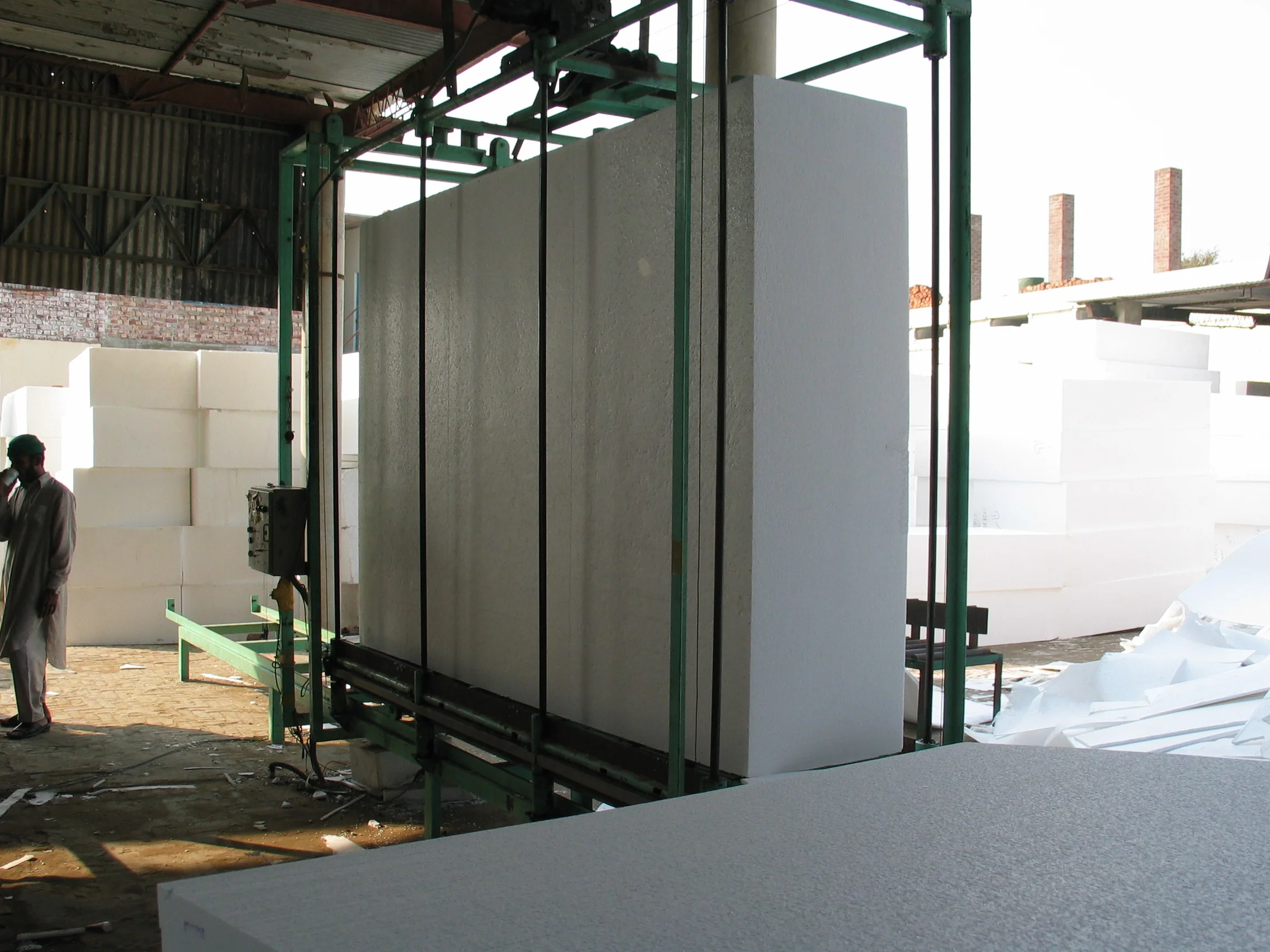
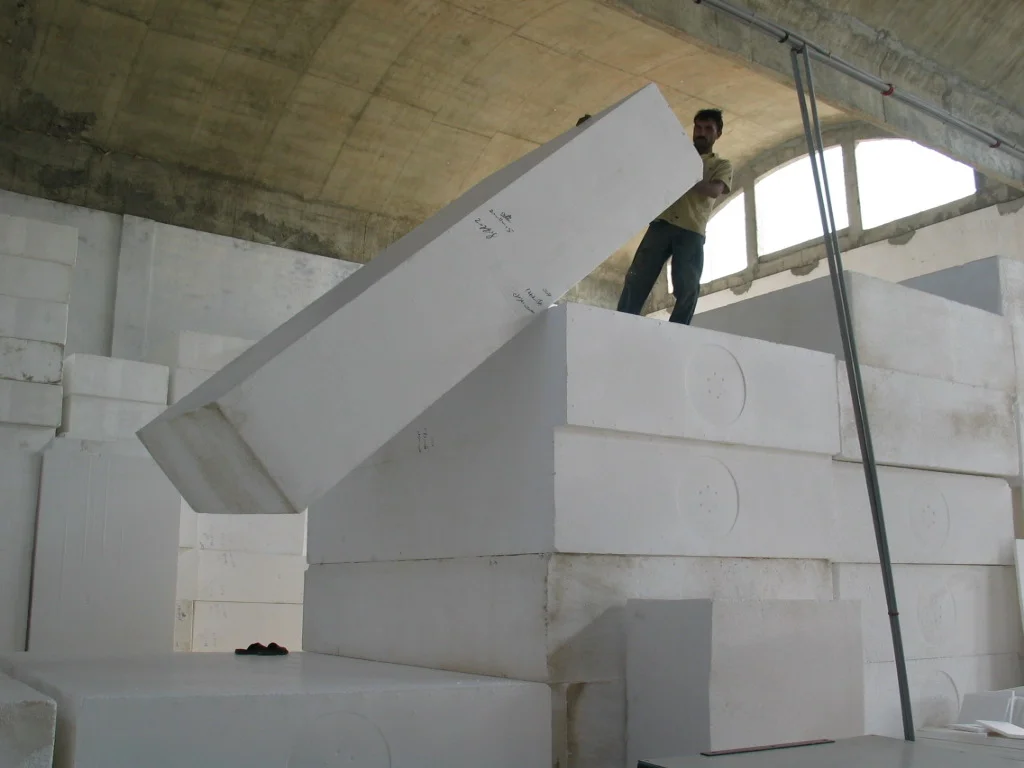
TKG manufactures its own Thermopor (EPS) insulation (we don't import and resell), which means direct control over density, quality and consistency, and the ability to cut custom sizes and thicknesses to your drawing.
Technical data & load capacity
Thermopor (EPS) is manufactured in densities from 12–32 kg/m³, thicknesses from 0.5"–20", standard 8'×4' sheet, custom sizes cut to drawing.
| Density | R-value / inch (min.) | Compressive strength | Load capacity (psf / kg/m²) | Typical use |
|---|---|---|---|---|
| 12 kg/m³ | 3.1 | 5 psi (35 kPa) | 720 psf ~3,500 kg/m² |
Non-structural cavity fill, protective packaging. Not for flooring/foot traffic |
| 16 kg/m³ | 3.6 | 10 psi (69 kPa) | 1,440 psf ~7,000 kg/m² |
General wall & roof insulation, false ceilings |
| 20 kg/m³ | 3.8 | 13 psi (90 kPa) | 1,872 psf ~9,100 kg/m² |
Roofs & walls needing higher thermal performance |
| 24 kg/m³ | 4.0 | 15 psi (104 kPa) | 2,160 psf ~10,500 kg/m² |
Commercial roofs & walls, cold storage (0°C to −10°C) |
| 32 kg/m³ | 4.2 | 25 psi (173 kPa) | 3,600 psf ~17,600 kg/m² |
Cold storage/extreme temperatures, highest R-value need |
Compressive strength is the ASTM D1621 value at 10% deformation for the nearest recognized EPS grade under ASTM C578/D6817 (12→EPS12, 16→EPS15, 20→EPS19, 24→EPS22, 32→EPS29). Load capacity (psf / kg/m²) is this lab index converted to a distributed-load figure. It applies only when the sheet is fully and evenly supported underneath (as in standard installation), not to a concentrated point load or an unsupported span. Actual installed performance depends on screed thickness, span and finish; confirm against structural drawings for the specific project.
Thermal conductivity & R-value
What is thermal conductivity? It measures how easily heat passes through a material, expressed in W/(m·K): watts of heat that flow through 1 metre of material thickness for every 1°C (or 1K) of temperature difference across it. Lower conductivity means a better insulator. It's a fixed property of the material itself, independent of how thick the actual board is.
What is R-value? R-value (thermal resistance, m²·K/W) combines conductivity with actual board thickness. It answers "how well does this sheet stop heat," not just "how good is the material." R-value = thickness ÷ thermal conductivity. Doubling the thickness roughly doubles the R-value.
Maximum EPS thermal conductivity by density, derived from ASTM C578 minimum R-values at 24°C (75°F) mean temperature: 12 kg/m³ ≈ 0.047 W/(m·K) · 16 kg/m³ ≈ 0.040 W/(m·K) · 20 kg/m³ ≈ 0.038 W/(m·K) · 24 kg/m³ ≈ 0.036 W/(m·K) · 32 kg/m³ ≈ 0.034 W/(m·K). EPS performs better at lower temperatures (e.g. cold storage), so these are conservative figures. Presented as standard reference values, not a TKG-specific lab certificate.
| Density | 1" | 2" | 3" | 4" | 6" |
|---|---|---|---|---|---|
| 12kg | 3.1 | 6.2 | 9.3 | 12.4 | 18.6 |
| 16kg | 3.6 | 7.2 | 10.8 | 14.4 | 21.6 |
| 20kg | 3.8 | 7.6 | 11.4 | 15.2 | 22.8 |
| 24kg | 4.0 | 8.0 | 12.0 | 16.0 | 24.0 |
| 32kg | 4.2 | 8.4 | 12.6 | 16.8 | 25.2 |
R-value in ft²·°F·h/BTU (standard industry convention), by density and thickness. Minimum values per ASTM C578 at 24°C (75°F) mean temperature for the matching EPS grade (12→Type XI, 16→Type I, 20→Type VIII, 24→Type II, 32→Type IX). To convert to m²·K/W, divide by 5.678.
Standards conformance
TKG's Thermopor (EPS) insulation is manufactured to conform with recognized international standards for cellular polystyrene thermal insulation.
Standard specification for rigid, cellular polystyrene thermal insulation.
Compressive strength specification for rigid cellular polystyrene.
Compression properties of rigid cellular plastics.
Note: figures on this page are for EPS insulation manufactured to conform with the standards above.
Specification partner program
TKG works with architects, engineers and consultants who bring TKG into their projects.
Referral partnership
Partner benefits on referred projects that close with TKG. Terms discussed one to one.
Priority & competitive pricing
Companies and individuals who work with us regularly get priority service and competitive pricing on their projects.
Become a TKG specification partner
Whether you're specifying TKG on a single project or want a standing arrangement across your practice, get in touch to discuss what works for you.
Application guidance
Construction methods and density recommendations by project type. See the full guide for step-by-step methods.
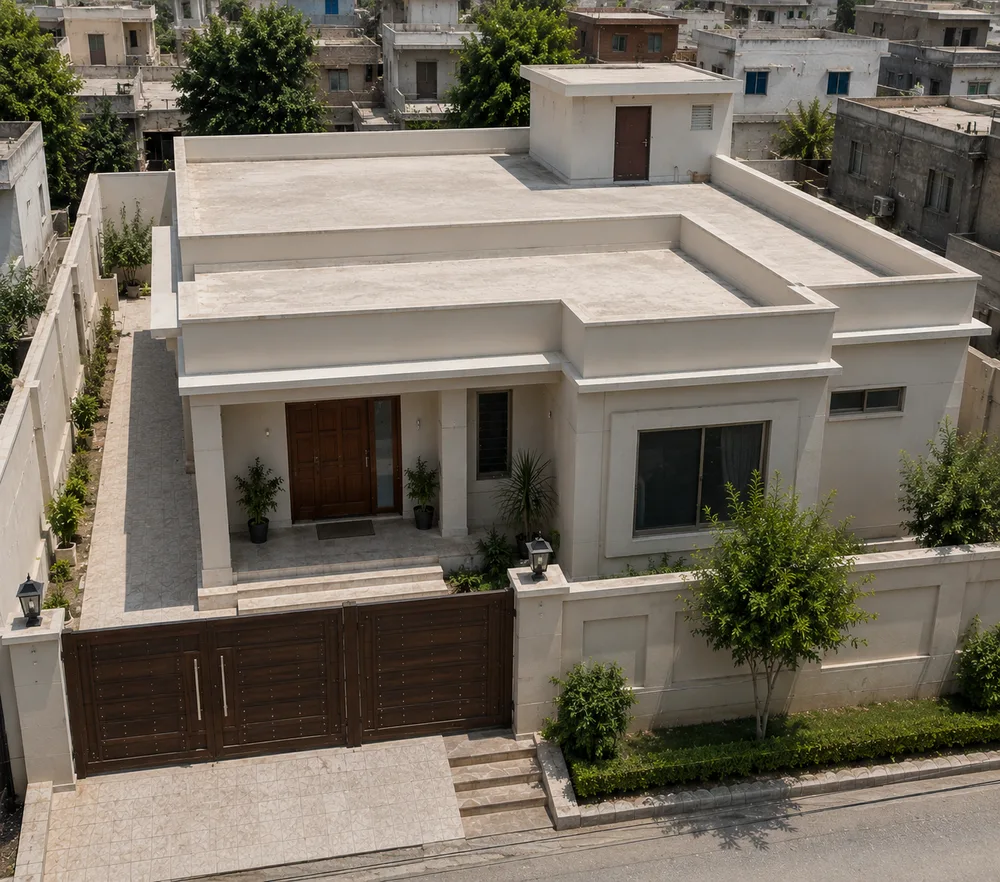
Residential
Roof slab, cavity wall, retrofit & lining methods. Typical density 16–24 kg/m³.
Full guide →
Commercial & Industrial
New-build & retrofit for large facilities. Typical density 20–24 kg/m³.
Full guide →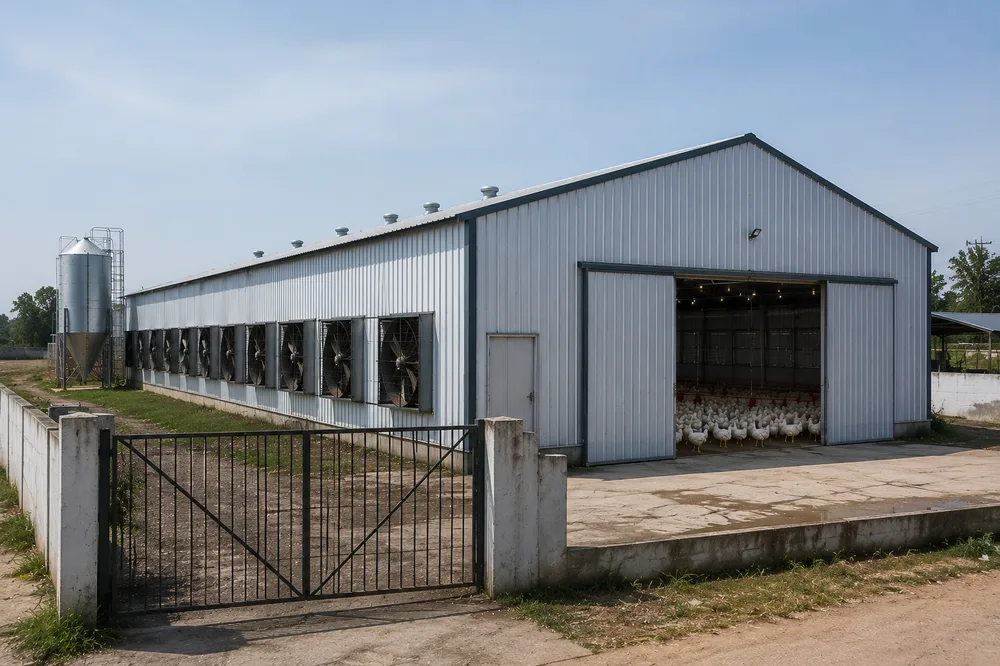
Poultry & Sheds
Adhesive-mesh-render method for metal/tin structures. Typical density 16–20 kg/m³.
Full guide →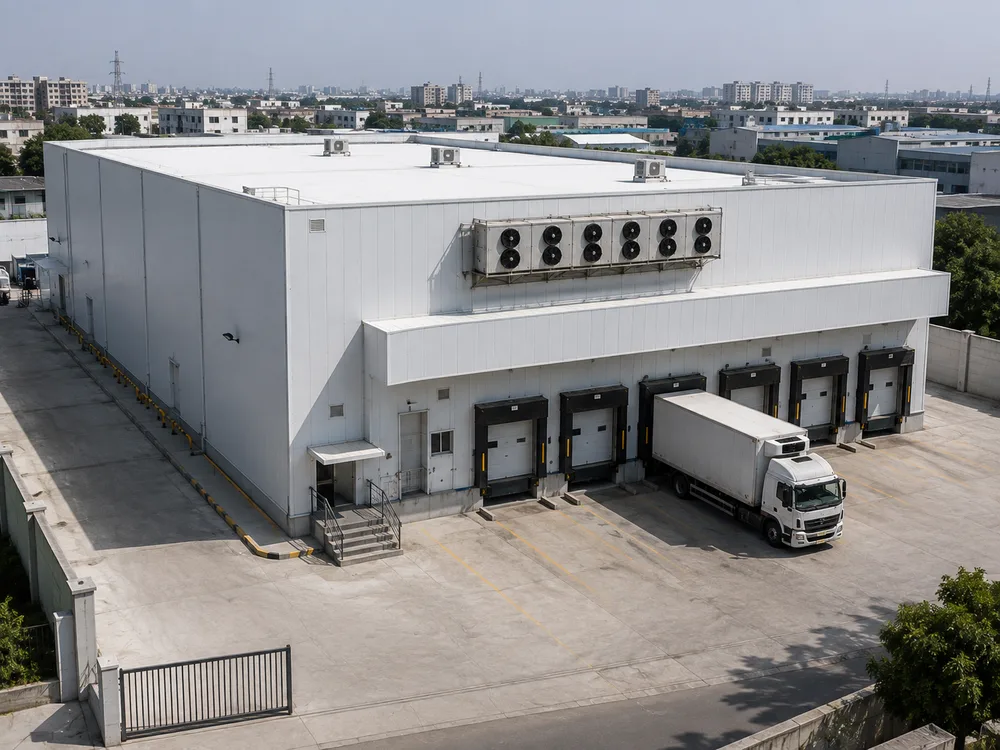
Cold Storage
High-density methods, 0°C to −25°C. Typical density 20–32 kg/m³.
Full guide →Download the full specification guide
EPS Insulation Technical & Specification Guide
Densities, thermal performance, R-values, water resistance, temperature ranges, load capacities and construction methods for residential, commercial, cold storage and shed projects. Everything on this page, in one PDF.
Know your specification? Get a quotation fast
Already have your density, thickness and quantity worked out? Share your requirements (sheet count, sizes, or total area) with our team for a formal quotation. Need a spec double-checked against your drawings, or a custom size cut, first? We're happy to talk that through too.
Know what you need?
Send your specification and quantities, get a formal quotation on WhatsApp.